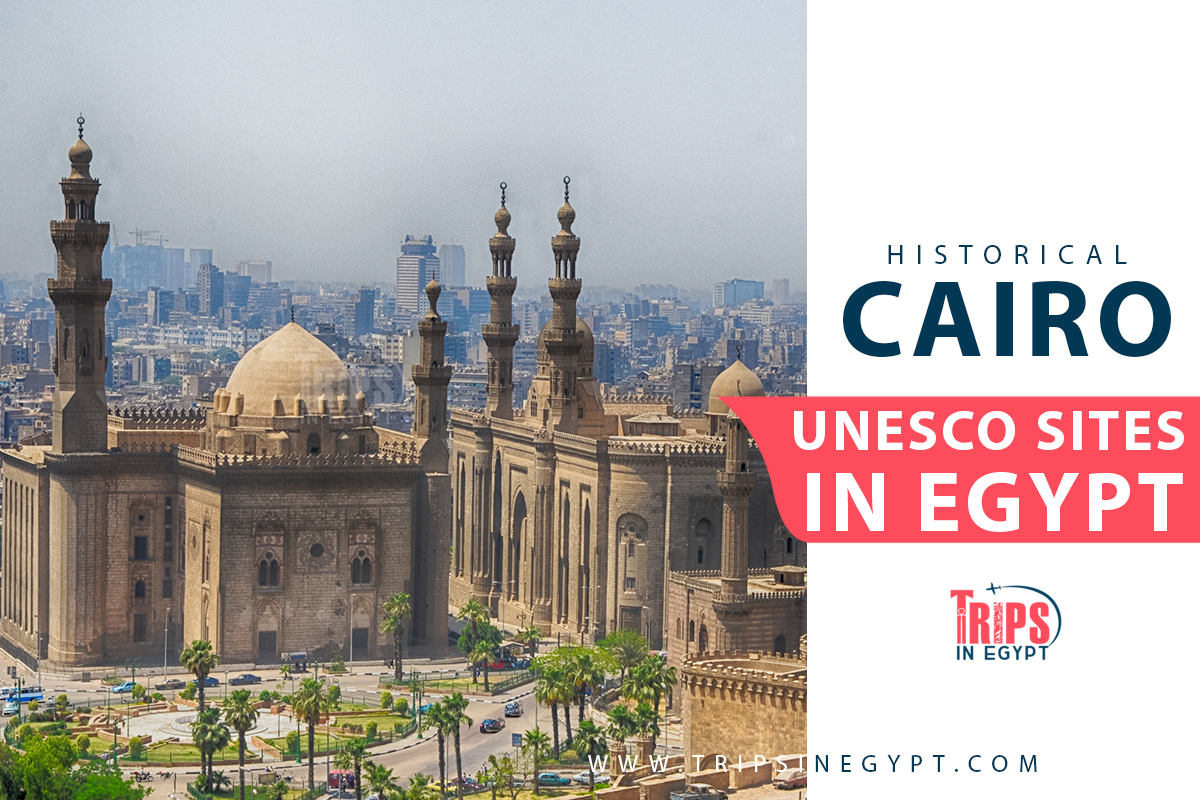
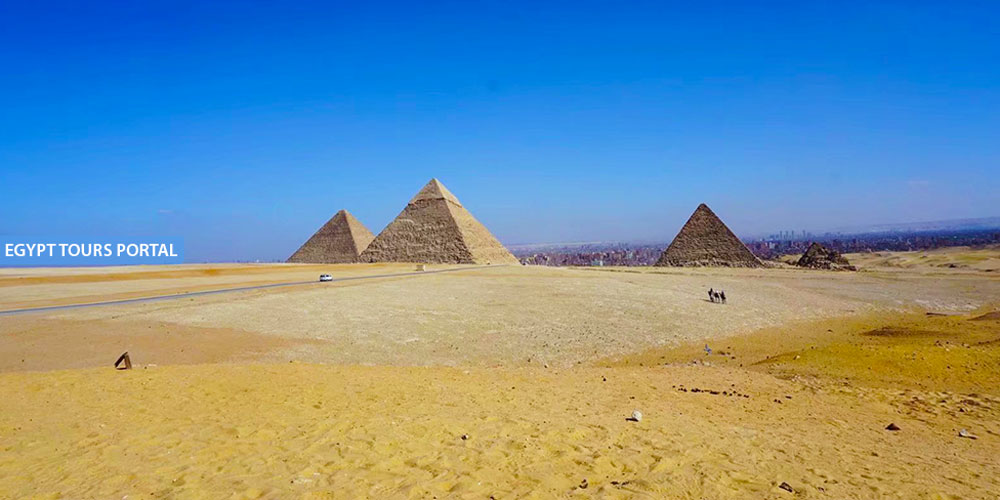
The United Nations Educational, Scientific and Cultural Organization (UNESCO) World Heritage Sites are places of importance to cultural or natural heritage as described in the UNESCO World Heritage Convention, established in 1972. Cultural heritage consists of monuments (such as architectural works, monumental sculptures, or inscriptions), groups of buildings, and sites (including archaeological sites). Natural features (consisting of physical and biological formations), geological and physiographical formations (including habitats of threatened species of animals and plants), and natural sites which are important from the point of view of science, conservation, or natural beauty, are defined as natural heritage. Egypt ratified the convention on 7 February 1974, the second country to do so after the United States. There are seven World Heritage Sites in Egypt, and a further 34 sites on the tentative list.
The first sites in Egypt were listed in 1979, when five properties were inscribed. Since then, two more sites have been listed, Saint Catherine Area in 2002 and Wadi al Hitan in 2005. The latter is the only natural site in Egypt, the other sites being listed for their cultural properties. One of the key events that triggered the development of the World Heritage Convention was related to Egypt. Following the decision to construct the Aswan Dam on the Nile which would result in flooding of numerous archaeological sites in Lower Nubia, an international campaign was launched in 1959 to preserve the sites by dismantling them and reassembling them at safe locations. One site in Egypt is currently listed as endangered, Abu Mena. It was listed in 2001 because the rising water table is decreasing the stability of clay-based soils, resulting in threats to the structural integrity of the monuments. Egypt has served on the World Heritage Committee five times.
World Heritage Sites
UNESCO lists sites under ten criteria; each entry must meet at least one of the criteria. Criteria i through vi are cultural, and vii through x are natural.
Tentative list
In addition to sites inscribed on the World Heritage List, member states can maintain a list of tentative sites that they may consider for nomination. Nominations for the World Heritage List are only accepted if the site was previously listed on the tentative list. Egypt maintains 34 properties on its tentative list.
See also
- List of Intangible Cultural Heritage elements in Egypt
- Tourism in Egypt
References